A Universal Sweetener: Unpacking the World of Sugar
From the subtle sweetness of a summer berry to the comforting crunch of a freshly baked cookie, sugar is a ubiquitous ingredient in our daily lives. Yet, for something so common, its journey from a humble plant to our kitchen tables is a fascinating saga of nature and ingenuity. This comprehensive guide offers an introduction to sugar and sugar substitutes, delving into where our beloved sweetener comes from, how it’s made, and the vast array of forms it takes, alongside a glance at alternatives.
Before we embark on sugar's intriguing journey, it's crucial to clarify what "sugar" means in this context. Scientifically, "sugars" refer to a broad category of carbohydrates, including simple monosaccharides like glucose, fructose, and galactose, as well as disaccharides like sucrose, maltose, and lactose. These naturally occur in fruits, vegetables, nuts, and dairy. However, for this exploration, we're primarily focusing on "sugar" as a processed ingredient – specifically, sucrose. This disaccharide, a compound of glucose and fructose, is the "table sugar" we know and love, predominantly sourced from sugar cane and sugar beets.
The Sweet Transformation: Sugar's Journey from Field to Table
The story of table sugar begins in lush fields, primarily with sugar cane in tropical climates or sugar beets in cooler regions. While their origins differ, the processing journey to extract crystalline sugar shares many common steps.
From Plant to Raw Sugar
- Harvesting: Sugar cane stalks, tall and fibrous, are harvested once mature. Sugar beets, root vegetables resembling large parsnips, are dug from the ground.
- Extraction: For sugar cane, the stalks are crushed to squeeze out their sweet juice. Sugar beets are sliced and steeped in hot water, allowing their sugar to diffuse into the liquid.
- Clarification and Concentration: The raw juice, murky with impurities, is heated and treated with lime to remove unwanted plant material. It's then filtered and boiled in evaporators, concentrating the liquid into a thick syrup. This syrup, rich in sucrose, is typically golden brown due to residual molasses.
- Crystallization: The concentrated syrup is then boiled further under vacuum conditions, a process that encourages sugar crystals to form. As the water evaporates, the crystals grow larger.
- Centrifugation: The resulting mixture of sugar crystals and molasses is spun in powerful centrifuges. This separates the molasses from the sugar crystals, yielding "raw cane sugar" or "turbinado/demerara" sugar – a blonde to light brown, partially processed product with a distinct, mild flavor.
Refining for Purity: White Granulated Sugar
While raw cane sugars are delightful in their own right, the journey continues for white granulated sugar. Raw sugar crystals still contain some impurities and color from molasses. To achieve the pure white color and fine texture of common table sugar, raw sugar undergoes further refining:
- Washing and Melting: The raw sugar crystals are washed to remove surface molasses and then dissolved in hot water to create a syrup.
- Filtration and Decolorization: This syrup is then passed through various filters, often using carbon, to remove any remaining non-sugar impurities and color, resulting in a clear, pure sugar solution.
- Recrystallization: The purified solution is again boiled and centrifuged to form highly pure, sparkling white sucrose crystals.
- Drying and Packaging: The crystals are dried to prevent clumping and then sieved into different sizes – from coarse to regular granulated to super-fine – before being packaged for sale.
This entire process, from the field to your table, is a testament to sophisticated agricultural and industrial techniques, all designed to deliver that consistent, sweet experience.
Beyond Granulated: Exploring the Diverse Family of Sugars
The amount of molasses remaining on or added back to sugar crystals is the primary factor determining a sugar's color, flavor, and texture. This difference gives us a fascinating array of options, each with unique culinary properties. Exploring Sugar: From White to Muscovado & Beyond offers an even deeper dive into these varieties, but here's a glimpse into the diverse world of natural sugars:
The Refined Varieties
- White Granulated Sugar: As discussed, this is pure sucrose, typically with less than 0.1% molasses content. Its neutral flavor and consistent crystal size make it incredibly versatile for baking, cooking, and sweetening beverages. It comes in various crystal sizes for different applications.
- Powdered Sugar (Confectioners' Sugar): This is simply granulated sugar that has been finely ground and sieved into a smooth powder. Most commercially available powdered sugar also contains a small amount of an anti-caking agent, like cornstarch, to prevent clumping and maintain its soft texture. It's essential for frostings, glazes, and dusting pastries.
- Brown Sugar (Light & Dark): These are typically white granulated sugar with varying amounts of molasses added back. Light brown sugar has less molasses, offering a milder caramel flavor, while dark brown sugar contains more, yielding a richer, more pronounced molasses taste. Their "wet" and clumpy texture, due to moisture from molasses, makes them ideal for creating chewier, more moist baked goods.
Unrefined and Partially Refined Sugars
- Raw Cane Sugar (Turbinado/Demerara): These partially processed sugars retain some of their natural molasses content, giving them a light golden or "blonde" hue, a subtle caramel flavor, and larger, coarser crystals than regular brown sugar. They are excellent for sprinkling on cereals, fruits, or using in coffee, adding a pleasant crunch and depth of flavor.
- Muscovado Sugar (Barbados Sugar): Considered an unrefined cane sugar, muscovado retains almost all of its original molasses. It's characterized by its very dark brown color, coarse and sticky texture, and an intensely strong molasses flavor. Muscovado is fantastic in robust baked goods like gingerbread, BBQ sauces, or anything that benefits from a deep, complex sweetness.
Natural Alternative Sweeteners
Beyond traditional cane and beet sugars, nature offers other delicious forms of sweetness:
- Coconut Sugar: Derived from the sap of the coconut palm tree's flower buds (not the fruit!), this sap is boiled into a syrup, dried, and then ground into granular sugar. It boasts a caramel-like flavor, similar to brown sugar but with its own unique twist, and has a blonde to caramel color. It's often favored for its mineral content and slightly lower glycemic index compared to table sugar.
- Fruit Sugar (e.g., Date Sugar): These sugars are made by drying and grinding whole fruits, such as dates, into a granular form. Date sugar, for instance, offers the full nutritional profile of dates, including fiber, along with a rich, fruity sweetness. It's a wholesome option for baking and sweetening.
- Honey: This ancient sweetener is produced by bees from floral nectar. The bees collect nectar, process it through enzymatic action, and store it in honeycombs, transforming it into the viscous liquid we know. Honey varies widely in flavor, color, and aroma depending on the floral source. While raw honey is edible, most commercial honey is filtered to remove impurities like pollen and beeswax. Honey provides a complex sweetness and moisture to recipes.
Sweet Choices: An Introduction to Sugar Substitutes
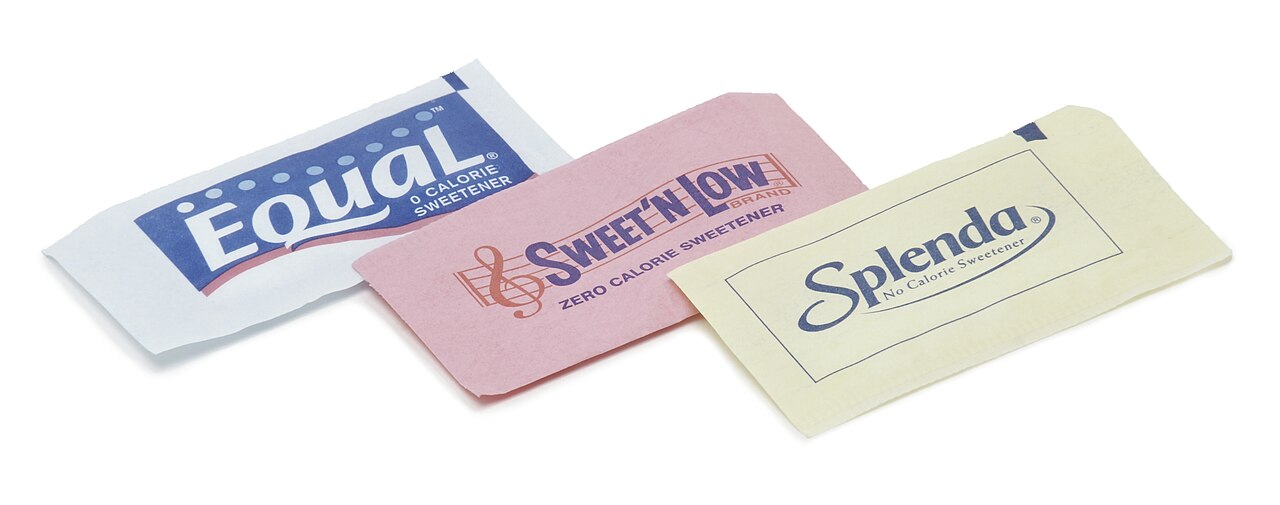
In our pursuit of health and well-being, many are seeking ways to reduce their overall sugar intake. This has led to a growing interest in sugar substitutes, which offer sweetness with fewer calories or different metabolic impacts. "Sugar substitutes can be a good option for sweetening foods with less calories," notes Rachel Begun, MS, RD, a spokesperson for the Academy of Nutrition and Dietetics. These alternatives range from natural options like stevia and monk fruit to artificial sweeteners like aspartame and sucralose.
The world of sweeteners can be complex, and understanding the differences is key to making informed choices for your lifestyle. For a comprehensive overview of these alternatives, including their properties, uses, and potential benefits, be sure to check out Sugar & Substitutes: Your Essential Guide to Sweet Choices.
Making Informed Sweet Choices: Tips and Insights
Understanding the types of sugar and their origins empowers us to make more conscious choices about our diet.
- Moderation is Key: While delicious, excessive sugar consumption is linked to various health concerns. The World Health Organization recommends limiting free sugars to less than 10% of total energy intake, and ideally, below 5%.
- Read Labels Carefully: "Added sugars" can hide in many processed foods. Be aware of different names for sugar on ingredient lists (e.g., high-fructose corn syrup, dextrose, maltose).
- Match Sugar to Purpose: The nuanced flavors and textures of different sugars lend themselves to specific culinary applications. White sugar for delicate sponges, brown sugar for chewy cookies, muscovado for rich glazes – experimenting is half the fun!
- Consider Natural Sweeteners: While still sources of sugar, options like honey, maple syrup, and date sugar offer additional nutrients and unique flavor profiles that can enhance dishes.
Conclusion
The journey of sugar, from a plant in the field to the sweet crystals on our table, is a testament to nature's bounty and human innovation. From the familiar white granulated sugar to the deep, complex notes of muscovado and the unique profiles of natural alternatives like coconut sugar and honey, each type offers a distinct experience. As we navigate the vast landscape of sweeteners, armed with this introduction to sugar and sugar substitutes, making informed, balanced choices becomes not just a healthy habit, but an enriching culinary adventure.
