Sugar & Substitutes: Your Essential Guide to Sweet Choices
In a world brimming with sweet temptations, navigating the vast landscape of sugars and their substitutes can feel overwhelming. From the comforting crunch of granulated sugar to the myriad of "zero-calorie" options, understanding what you're consuming is paramount for health-conscious living. For decades, dietary advice has swung between focusing on fat and demonizing sugar, with current understanding highlighting the impact of excessive sugar intake on blood sugar levels and overall health. This comprehensive guide serves as your roadmap, providing an in-depth
introduction to sugar and sugar substitutes, helping you make informed decisions for a healthier, sweeter life.
Understanding Sugar: From Field to Your Table
When we talk about "sugar" in a broad sense, we're referring to a group of carbohydrates that provide energy. These encompass monosaccharides, which are simple sugars like glucose, fructose (found in fruits), and galactose (in milk), and disaccharides, which are compounds made of two monosaccharides, such as sucrose (table sugar), maltose, and lactose. These natural sugars are present in a variety of foods, from the sweetness of an apple to the creaminess of dairy.
However, this article primarily focuses on "sugar" as an ingredient – specifically, granulated white table sugar. This common pantry staple is sucrose, a disaccharide formed from one molecule of glucose and one of fructose. While sucrose is naturally found in many green plants, the vast majority of the sugar we consume is extracted from two primary sources: sugar cane and sugar beets.
The journey of sugar from a towering cane stalk or an unassuming beet root to your kitchen involves a fascinating process of extraction, purification, and crystallization. This complex process transforms the raw plant material into the sweet crystals we know. The final characteristics of different types of sugar are often determined by the amount of molasses retained or re-introduced during processing.
A Spectrum of Sweetness: Exploring Natural Sugars
The world of natural sugars extends far beyond the basic white granule. Each type offers a unique flavor profile, texture, and culinary application:
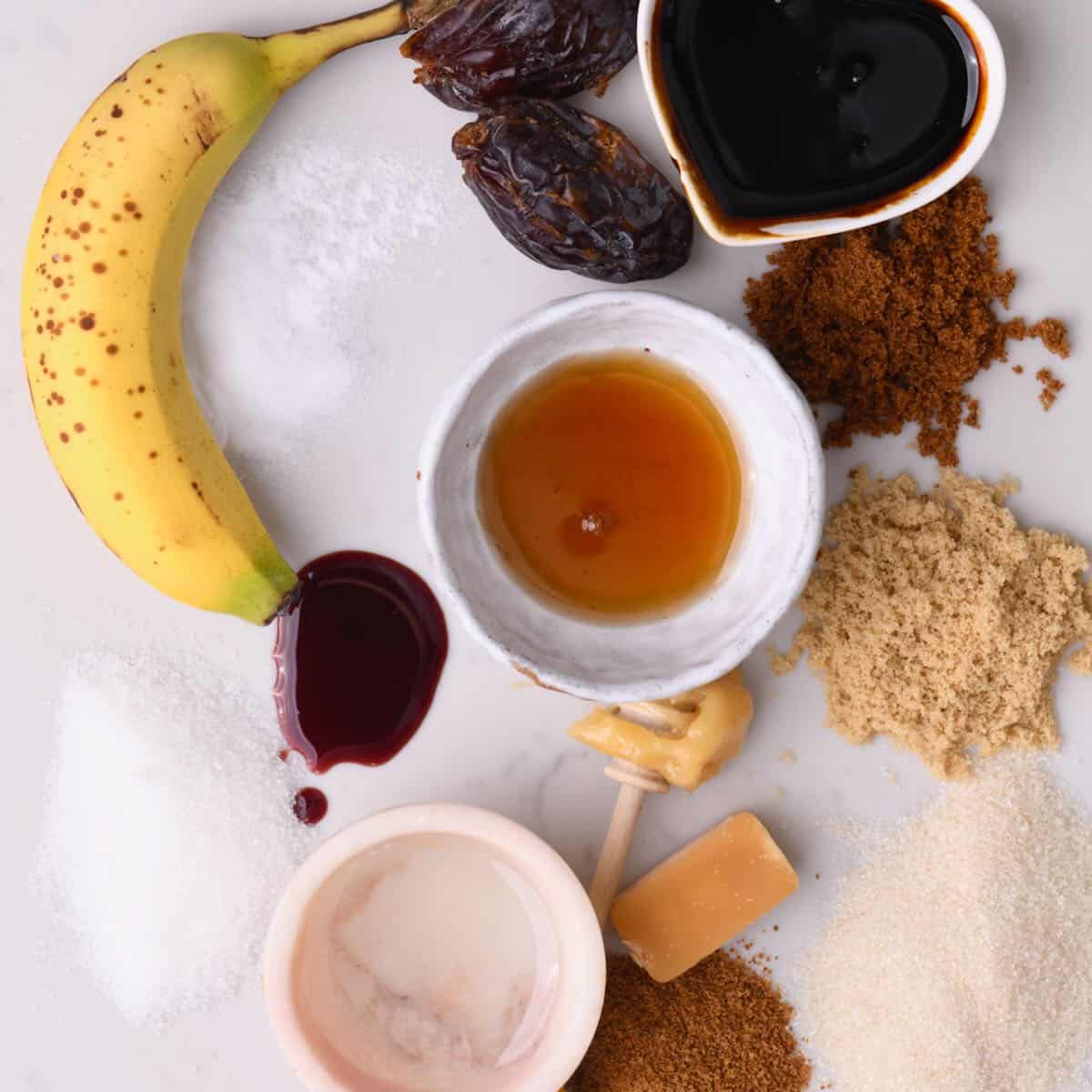
- Raw Cane Sugar (Turbinado/Demerara): These are partially processed sugars, characterized by their larger crystals and mild brown, almost blonde color. They retain some of their natural molasses, imparting a delicate caramel note.
- Muscovado Sugar (Barbados Sugar): An unrefined cane sugar, Muscovado is distinctive for its coarse, sticky texture and very dark brown hue. It boasts a robust, intense molasses flavor that's perfect for rich desserts and savory glazes.
- Brown Sugar (Light and Dark): These popular varieties are essentially white sugar combined with varying amounts of molasses. The molasses content makes them "wetter" and causes them to clump easily, contributing to chewier baked goods that retain more moisture.
- White Sugar (Granulated, Caster, Powdered): Granulated white sugar is the most common form, with crystals of various sizes resulting from the crystallization process. Caster sugar (super-fine) dissolves quickly, while powdered sugar (confectioners' sugar) is simply granulated sugar ground into a fine powder, often with an anti-caking agent like cornstarch to prevent clumping. You can delve deeper into these varieties in Exploring Sugar: From White to Muscovado & Beyond.
- Coconut Sugar: Derived from the sap of coconut palm flower buds (not the fruit!), this sugar is created by boiling the sap into a syrup, allowing it to crystallize, and then drying and grinding it. It has a caramel-blonde color and a taste reminiscent of brown sugar with a unique twist.
- Fruit Sugar (e.g., Date Sugar): As the name suggests, this type of sugar comes from drying and grinding whole fruits, such as dates. It offers a natural sweetness along with the fiber and nutrients from the fruit source.
- Honey: A natural sweetener produced by bees from flower nectar. The bees deposit and regurgitate nectar into their honeycomb, where enzymes break down the complex sugars into simpler ones, forming liquid honey. While raw honey is a pure form, most commercial honey is filtered to remove impurities like pollen and beeswax.
The Rise of Sugar Substitutes: Why Look Beyond Sugar?
The increasing awareness of the health consequences associated with excessive sugar intake has fueled the demand for alternatives. As Rachel Begun, MS, RD, spokesperson for the Academy of Nutrition and Dietetics, notes, "Sugar substitutes can be a good option for sweetening foods with less calories." For many years, dietary focus was on low-fat, but now research points to sugar's significant role in blood sugar spikes and weight gain. While we were once encouraged to embrace low-fat options, the "white stuff" (table sugar/sucrose) is now recognized as a major contributor to many modern health concerns.
Reducing overall sugar consumption is a crucial step for maintaining a healthy lifestyle. Sugar substitutes offer a way to enjoy sweetness without the caloric load or the significant impact on blood glucose levels. However, it's vital to remember that these alternatives should still be consumed in moderation and integrated into an overall balanced, healthy eating plan. The growing number of natural and artificial sweeteners can be confusing, making an informed guide essential.
Navigating the World of Sugar Substitutes
Sugar substitutes are broadly categorized into natural and artificial, each with its own characteristics, benefits, and considerations.
Natural Sugar Substitutes (beyond traditional sugars)
These alternatives are often derived from natural sources but are highly concentrated or processed to extract their sweet components, offering sweetness with fewer calories or a different glycemic impact than table sugar.
- Stevia: Extracted from the leaves of the Stevia rebaudiana plant, stevia is a zero-calorie sweetener that can be 200-400 times sweeter than sugar. It's popular for those looking to reduce calorie intake, though some individuals report a slight aftertaste.
- Monk Fruit: Like stevia, monk fruit extract is a zero-calorie sweetener derived from a plant (Siraitia grosvenorii). It’s 150-250 times sweeter than sugar and generally well-tolerated without a strong aftertaste for most.
- Erythritol: A sugar alcohol found naturally in some fruits, erythritol is about 70% as sweet as sugar but contains almost zero calories. It's well-absorbed by the body and generally doesn't cause the digestive issues sometimes associated with other sugar alcohols.
- Xylitol: Another sugar alcohol, xylitol is as sweet as sugar but with about 40% fewer calories. It's found in many fruits and vegetables and is known for its dental health benefits (inhibiting bacterial growth). However, it is highly toxic to dogs and should be kept away from pets.
- Maple Syrup & Agave Nectar: While natural and less processed than white sugar, these are still calorie-dense and primarily composed of sugars. Maple syrup offers some minerals, while agave is high in fructose. They should be used sparingly, not as "free" alternatives.
Artificial Sweeteners
These are synthetic compounds designed to provide intense sweetness with minimal to zero calories. They are often much sweeter than sugar, so only tiny amounts are needed.
- Sucralose (Splenda): Derived from sucrose, sucralose is chemically modified to be about 600 times sweeter than sugar without providing calories. It's stable at high temperatures, making it suitable for baking.
- Aspartame (NutraSweet, Equal): Made from two amino acids (aspartic acid and phenylalanine), aspartame is roughly 200 times sweeter than sugar. It is not heat-stable, so it's typically used in cold foods and beverages.
- Saccharin (Sweet'N Low): One of the oldest artificial sweeteners, saccharin is 200-700 times sweeter than sugar. It has a slightly bitter or metallic aftertaste for some, particularly at higher concentrations.
- Acesulfame Potassium (Ace-K): Often used in combination with other sweeteners, Ace-K is about 200 times sweeter than sugar. It is heat-stable and found in a wide range of products, including baked goods and soft drinks.
The long-term effects and safety of artificial sweeteners continue to be subjects of scientific research and public debate, especially concerning gut health and metabolic responses. Regulatory bodies like the FDA have deemed these safe for consumption within acceptable daily intake levels.
Making Your Sweet Choices: Tips for a Balanced Approach
Navigating the world of sugar and its substitutes effectively means adopting a mindful and balanced approach:
- Read Labels Carefully: Sugars come in many disguises. Look out for ingredients ending in "-ose" (dextrose, maltose), syrups (corn syrup, rice syrup), and other natural-sounding names that are still added sugars (fruit juice concentrate).
- Moderation is Key: Even if a sweetener has zero calories, it doesn't mean unlimited consumption. Over-reliance on intense sweetness, whether from sugar or substitutes, can perpetuate a preference for overly sweet foods.
- Retrain Your Palate: Gradually reduce the overall sweetness in your diet. Many find that after a period of adjustment, they genuinely prefer less sweet foods and beverages.
- Prioritize Whole Foods: Embrace the natural sweetness of fruits and vegetables. These foods provide fiber, vitamins, and minerals along with their sugars, making them a far healthier option than processed sweets.
- Consider Cooking & Baking: Different sweeteners behave uniquely in recipes. Artificial sweeteners may not caramelize, and sugar alcohols can alter texture. Experiment and research to find the best substitute for your culinary needs.
- Consult Professionals: If you have specific health conditions like diabetes, or significant dietary concerns, always consult with a doctor or a registered dietitian. They can provide personalized advice tailored to your needs.
Conclusion
The journey to understanding sugar and sugar substitutes is an important step towards a healthier lifestyle. From the fundamental distinctions between various types of natural sugars to the diverse landscape of alternatives, being informed empowers you to make conscious choices about your intake. While substitutes offer valuable tools for reducing calorie and sugar consumption, the overarching principle remains moderation and a focus on whole, unprocessed foods. By embracing this knowledge, you can savor sweetness mindfully, contributing to your overall well-being and a healthier future.