Exploring Sugar: Decoding the Sweet Complexity
In a world where "sugar" often gets a bad rap, understanding its diverse forms and origins is more crucial than ever. Far from being a monolithic entity, sugar is a vast category encompassing everything from the everyday white granules to exotic, dark, and sticky varieties, and even a growing array of substitutes. This article serves as an introduction to sugar and sugar substitutes, demystifying where these sweeteners come from, how they're processed, and what makes each type unique. Join us as we journey from the field to your table, exploring the fascinating spectrum of sweetness.
Before diving into the myriad types, it's vital to make a key distinction. When we talk about "sugars" in a broader scientific sense, we're referring to a group of carbohydrates. These include monosaccharides like glucose, fructose (found in fruits), and galactose, as well as disaccharides – compounds made of two monosaccharides – such as sucrose, maltose, and lactose (found in dairy).
These naturally occurring sugars are present in a vast array of foods, from vibrant fruits and vegetables to nuts and dairy products. However, our primary focus in this discussion will be "sugar" as an ingredient: specifically, sucrose. This disaccharide, composed of one glucose and one fructose molecule, is the granulated white sugar you typically find on supermarket shelves. Most of the sucrose we consume is extracted and refined from two primary sources: sugar cane and sugar beets.
The Sweet Journey: From Field to Granulated Gold
The transformation of sugar cane or sugar beets into the crystalline sweetener we know involves a fascinating industrial process. It begins with harvesting the plants, which are then crushed or sliced to extract their sugary juices. These juices undergo a series of purification steps, including clarification and filtration, to remove impurities.
The purified liquid is then boiled to concentrate the sugar, leading to crystallization. As the water evaporates, sugar crystals begin to form. These crystals are separated from the remaining liquid, known as molasses. It's the presence and amount of this molasses – either left on the crystals during partial processing or added back later – that largely determines the sugar's color, flavor, and texture. For a more in-depth look at this incredible journey and the science behind sugar production, explore our comprehensive guide: The Journey of Sugar: From Cane to Table & All Its Types.
A Spectrum of Sweetness: Beyond White Sugar
While white sugar is the most common, the world of natural sugars offers a rich tapestry of flavors and textures. Each type brings its unique characteristics to baking, cooking, and beverages.
White Sugar: The Standard Sweetener
- Granulated Sugar: This is the ubiquitous "table sugar," highly refined sucrose with almost all molasses removed. Its uniform crystal size makes it versatile for most cooking and baking.
- Superfine Sugar (Caster Sugar): Ground to a finer consistency than regular granulated sugar, superfine sugar dissolves more quickly, making it ideal for meringues, delicate baked goods, and sweetening cold beverages.
- Powdered Sugar (Confectioners' Sugar): Also known as icing sugar, this is simply granulated sugar that has been finely ground into a smooth powder. To prevent clumping, most commercially sold powdered sugars contain a small amount of an anti-caking agent, typically cornstarch. It's essential for frostings, glazes, and dusting desserts.
Raw Cane Sugars: A Touch of Molasses
These sugars are less refined than white sugar, retaining some of their natural molasses content, which imparts a subtle flavor and a beautiful, pale brown hue.
- Turbinado Sugar: Often marketed as "raw cane sugar," turbinado has larger, coarser crystals than regular granulated sugar and a distinctive, mild brown color. It's partially processed, giving it a delicate caramel flavor, making it excellent for sprinkling on baked goods, oatmeal, or in coffee.
- Demerara Sugar: Similar to turbinado, demerara sugar features larger, crunchy crystals and a golden-brown color. It boasts a rich, toffee-like flavor and is often used as a crunchy topping for desserts or as a delightful addition to hot drinks.
Muscovado Sugar: The Unapologetically Rich
Also known as "Barbados sugar," muscovado is a truly unrefined cane sugar. It undergoes minimal processing, meaning much of its natural molasses content is retained. The result is a highly aromatic, very dark brown sugar with a coarse, sticky texture and an intensely strong molasses flavor. Its robust, complex notes make it a favorite for rich desserts like gingerbread, chocolate cakes, and barbecue sauces, where its deep flavor can truly shine.
Brown Sugar: White Sugar's Chewier Cousin
Unlike raw cane sugars, commercial light and dark brown sugars are typically produced by adding varying amounts of molasses back into refined white sugar. This addition of molasses gives brown sugar its characteristic moist, clumpy texture and distinct flavor profile. Light brown sugar has a milder molasses flavor, while dark brown sugar offers a more pronounced, deeper caramel note. In baking, brown sugar contributes to a chewier texture and helps baked goods retain moisture, making it perfect for cookies, brownies, and moist cakes.
Other Natural Sweeteners: Beyond the Cane and Beet
The world of natural sweeteners extends beyond traditional sugar cane and beet products, offering unique flavors and properties:
- Coconut Sugar: Derived from the sap of the coconut palm tree's flower buds (not the coconut fruit itself!), this sap is boiled into a syrup, allowed to crystallize, and then dried and ground. Coconut sugar has a caramel-blonde color and a taste reminiscent of brown sugar with a subtle nutty twist. It's often favored as a more natural alternative in recipes.
- Fruit Sugar: While "fruit sugar" can refer to fructose, it also encompasses sweeteners made directly from dried and ground fruits, such as date sugar. Date sugar, for example, is made from finely ground dried dates, retaining the fruit's natural fiber and nutrient profile while offering a rich, sweet flavor.
- Honey: This ancient sweetener is produced by bees, who collect sugar-rich nectar from flowers. The bees then process this nectar within their honeycomb, breaking down the complex sugars into simpler ones and transforming it into liquid honey. While raw honey is directly edible, most commercial honey is filtered to remove impurities like pollen and beeswax, resulting in a clearer, smoother product. Honey offers a unique floral and earthy sweetness, along with beneficial enzymes and antioxidants.
Navigating the Sweetscape: Sugar Substitutes and Health Considerations
With growing awareness around health and diet, many consumers are exploring alternatives to traditional sugars. Indeed, research suggests that many individuals consume far too much added sugar, making the thoughtful incorporation of sugar substitutes an increasingly relevant topic for maintaining a healthy lifestyle.
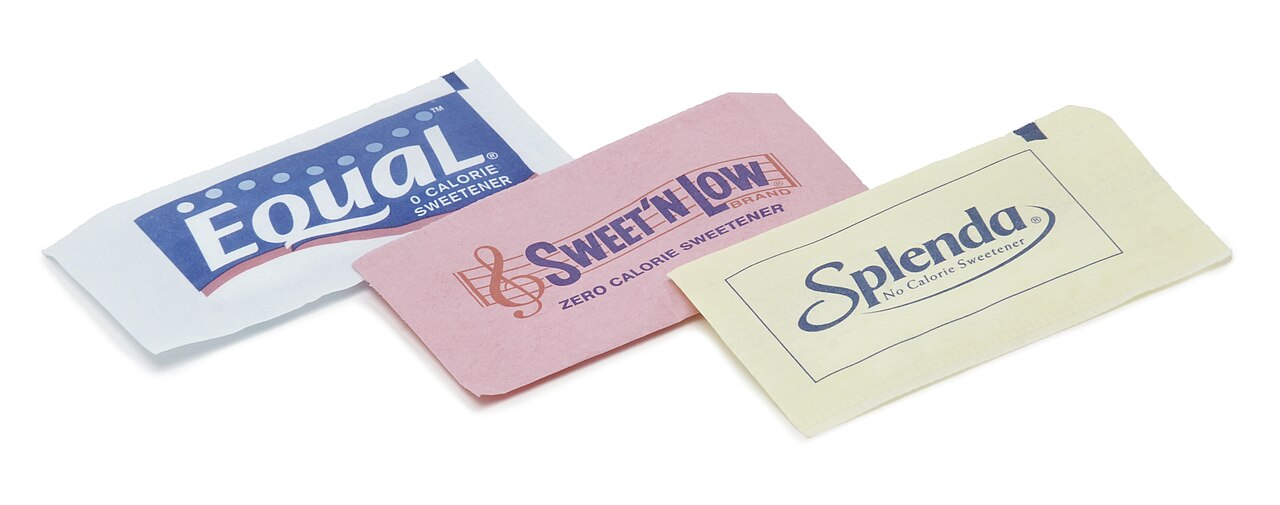
Sugar substitutes, broadly categorized into natural and artificial, offer a way to sweeten foods with fewer calories and often without impacting blood sugar levels as significantly as sucrose. As Rachel Begun, MS, RD, a spokesperson for the Academy of Nutrition and Dietetics, aptly states, "Sugar substitutes can be a good option for sweetening foods with less calories." However, the key, as with most dietary choices, lies in moderation and integration into an overall balanced eating plan.
The market for sweeteners is constantly expanding, presenting a confusing array of choices for consumers. Understanding what each substitute offers and whether it aligns with your dietary needs is crucial. For a comprehensive dive into the various natural and artificial sweeteners available, including their benefits, drawbacks, and best uses, we recommend exploring our dedicated resource: Sugar & Substitutes: Your Essential Guide to Sweet Choices.
Practical Tips for Smart Sweetening:
- Read Labels: Always check ingredient lists for hidden sugars, which can appear under many names (e.g., high-fructose corn syrup, dextrose, maltose).
- Gradual Reduction: If aiming to reduce sugar intake, do so gradually. Your taste buds will adapt over time.
- Embrace Natural Sweetness: Rely more on whole fruits, berries, and vegetables for natural sweetness in your diet.
- Mindful Indulgence: When you do enjoy a sweet treat, savor it. Mindful eating can enhance satisfaction and prevent overconsumption.
Conclusion: Informed Choices for a Sweet Life
From the crystalline purity of white sugar to the robust, molasses-rich muscovado, and the innovative world of sugar substitutes, the realm of sweetness is incredibly diverse. Understanding the origins, processing, and unique characteristics of each type empowers us to make more informed choices in our kitchens and for our health. Whether you're a passionate baker seeking the perfect texture, a home cook experimenting with flavor profiles, or simply aiming for a healthier lifestyle, a deeper appreciation for this fundamental ingredient can enrich your culinary journey. By differentiating between types of sugar and considering suitable alternatives, we can all make choices that support both deliciousness and well-being.
